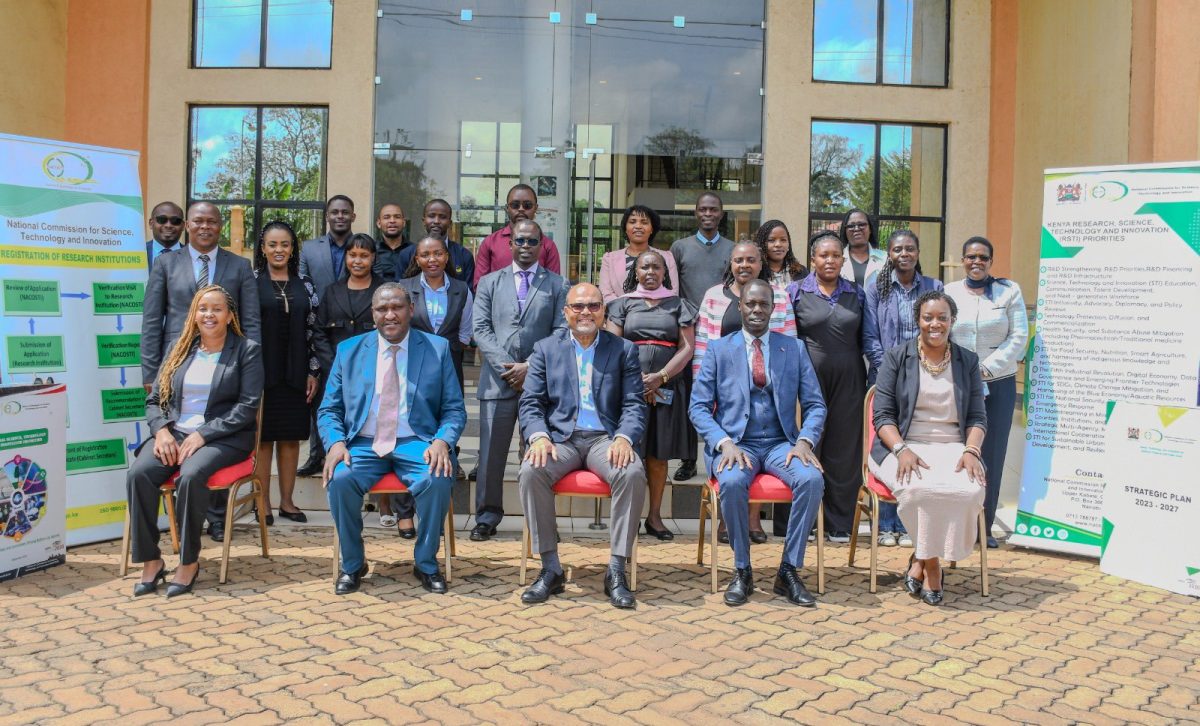
The National Commission for Science, Technology and Innovation (NACOSTI) hosted a meeting on African Regional Cooperative Agreement (AFRA) projects, convening policy makers, research institutions, academia and partners. The meeting provided a platform for reviewing ongoing initiatives, sharing achievements, addressing implementation challenges and charting the future of AFRA programmes in Kenya and the broader African region.
The event was officiated by Principal Secretary for Science, Research and Innovation, Prof. Shaukat Abdulrazak, and NACOSTI Acting Director General, Dr. David Ngigi who delivered key remarks emphasizing the Commission’s leadership role in advancing science, technology and innovation.
During the opening the session, PS Shaukat Abdulrazak applauded Kenya for its active participation in AFRA programmes and pointed the importance of regional cooperation in harnessing nuclear science and technology for sustainable development.
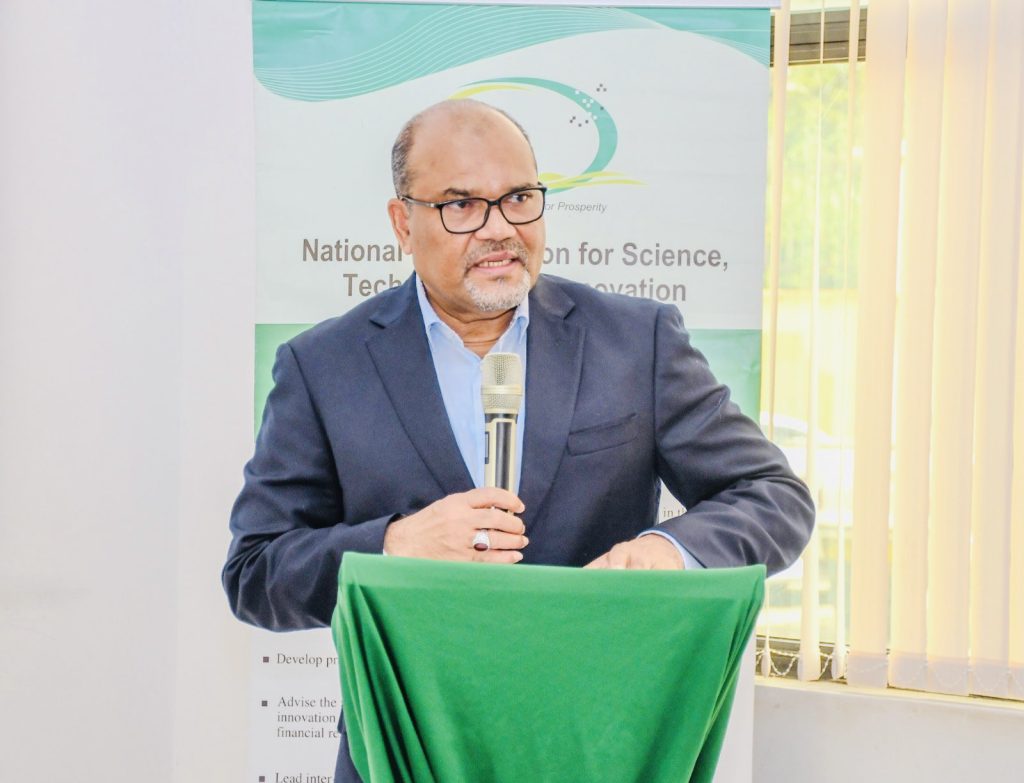
He also commented on a unique platform for African nations to collaborate, build capacity and apply nuclear technologies that address pressing societal needs that comes because of AFRA. “AFRA projects have enabled African countries to leverage shared expertise, technical resources, and modern technology in areas such as healthcare, agriculture, water resource management, environmental conservation and industrial development,” he said.
PS Shaukat called for continued investment in research, innovation and capacity building to ensure that scientific discoveries translate into tangible benefits for communities. He indicated the need for regional and national leadership from all science, research and innovation entities converge for a sole collaboration and capacity building for the advancement of the projects.
Prof. Shaukat underscored on the Agricultural projects under AFRA that have leveraged nuclear techniques to improve crop yields, manage soil fertility and control pests also applauding on Smallholder farmers who have particularly benefited from these innovations which support climate smart practices and strengthen food security. He also talked of environmental applications where isotopic hydrology projects enhancing understanding and management of water resources in arid and semi-arid regions have been deployed and so the initiatives have demonstrated the versatility of nuclear technologies in supporting sustainable development goals.
PS Shaukat emphasized the importance of continuous training, enhancing coordination among stakeholders and robust policy frameworks to support the successful execution of AFRA initiatives which will strengthen regional collaboration and sharing of practices. In his remarks, NACOSTI Acting Director General, Dr. David Ngigi applauded the participants for the excellent on-going projects and highlighted commission’s mandate in providing a conducive environment for research, innovation, and regulatory oversight of nuclear applications in Kenya. He also reiterated its commitment to supporting AFRA initiatives and promoting regional collaboration in science and technology.
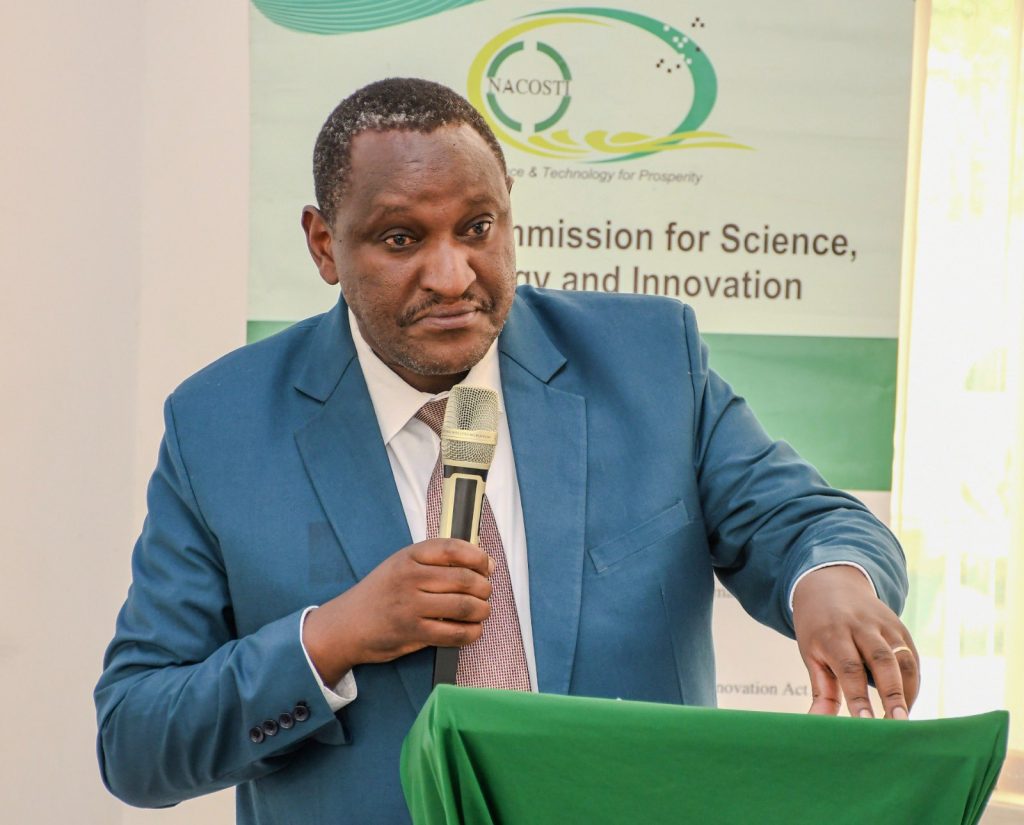
“Hosting this AFRA meeting reinforces Kenya’s position as a hub for scientific excellence in Africa. Through regional partnerships, we can enhance capacity, drive innovation, and ensure that research delivers real impact for our citizens,” Dr. Ngigi said.
NACOSTI Ag. DG emphasized the need for strong monitoring frameworks, sustainability measures and continuous capacity building to ensure long-term success of AFRA projects. Dr. Ngigi also called for the integration of nuclear science applications into national development priorities, stressing that collaboration between research institutions, government and industry is key to translating innovation into practical solutions.
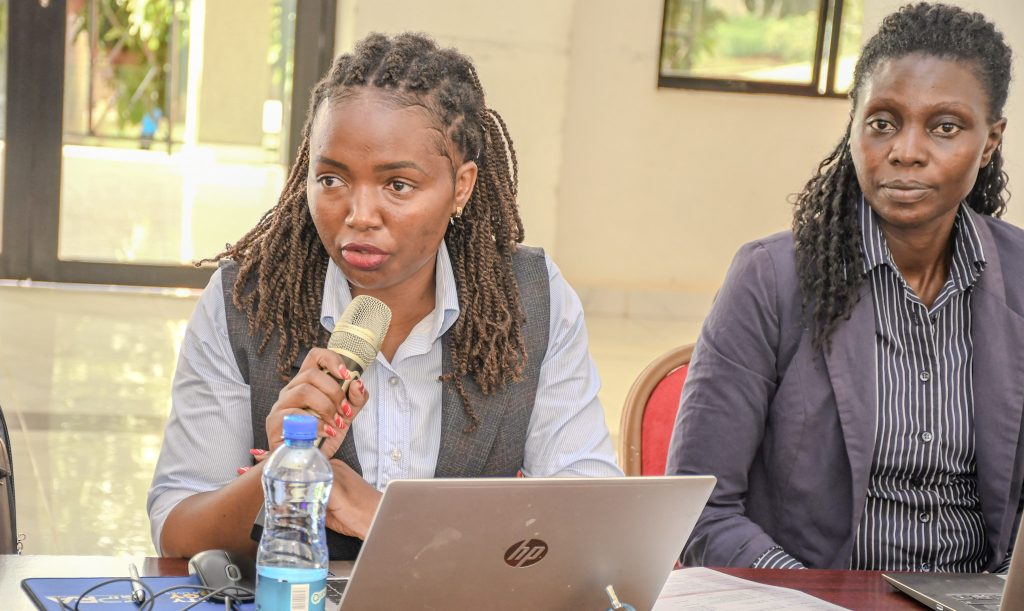
The present stakeholders acknowledged challenges affecting the implementation of AFRA projects including limited funding, inflated costs of specialized equipment and delays in procurement processes alongside capacity gaps that were also identified as a critical barrier especially the need for trained personnel capable of handling advanced technologies.