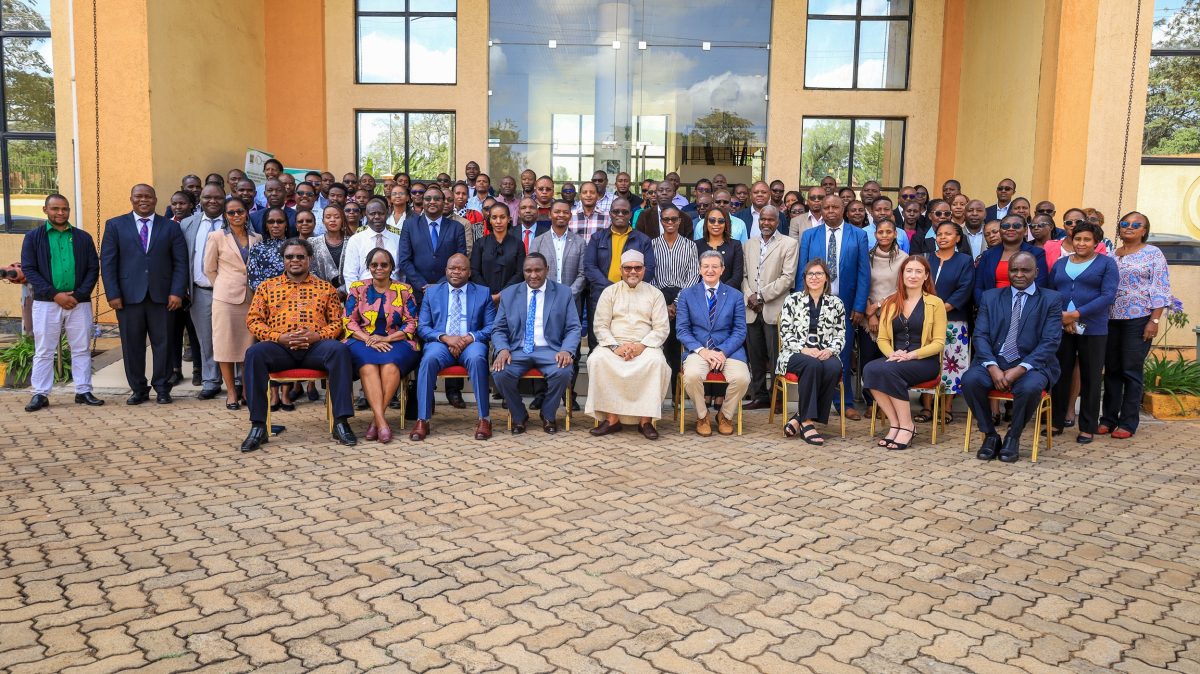
The Biotech Net II workshop was held at the National Commission for Science, Technology, and Innovation in Nairobi on Friday, 23rd January 2026, bringing together life scientists, policy makers in researchers and stakeholders for a workshop on research and biotechnology developments.
The workshop served as a platform to discuss advancements in biotechnology, biosafety, and responsible research practices amid Kenya’s ongoing efforts to strengthen its future national research governance framework. Participants explored ways to ensure science remains safe, ethical, and impactful, particularly in areas of agricultural biotechnology, innovation and emerging technologies that support life sciences.
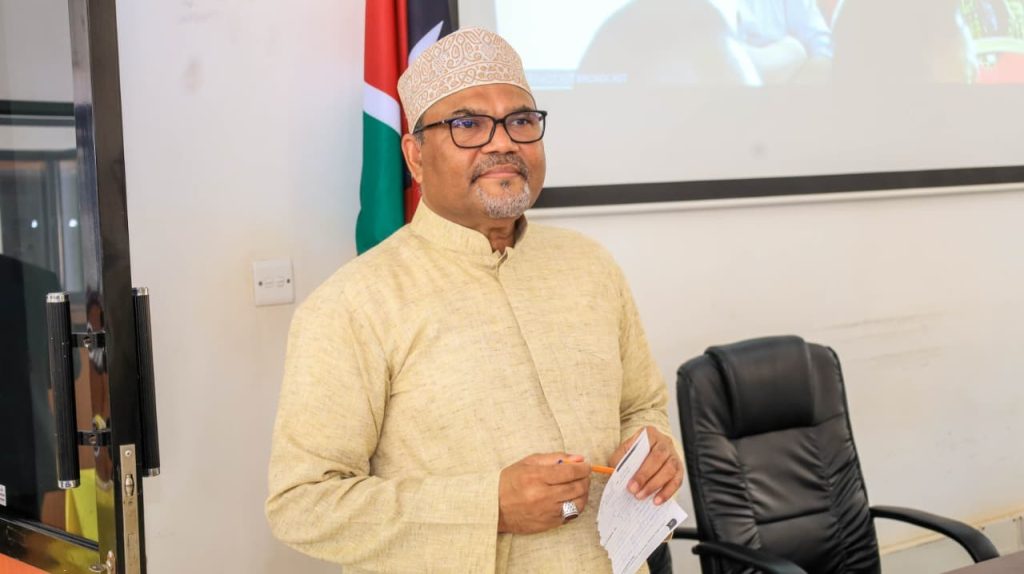
In his statements, Principal Secretary for the State Department for Science, Research, and Innovation in Kenya Prof. Shaukat Abdulrazak who was the Chief guest, emphasized on the transformative and significant role of artificial intelligence (AI) in modern scientific research and national development.
He actively promoted the inaugural National Science, Research and Innovation Week scheduled for May 18–22, 2026. This event marks the reintroduction of an annual national platform to showcase Kenya’s advancements in science, technology, and innovation (STI), foster collaboration, and align research with national development priorities.
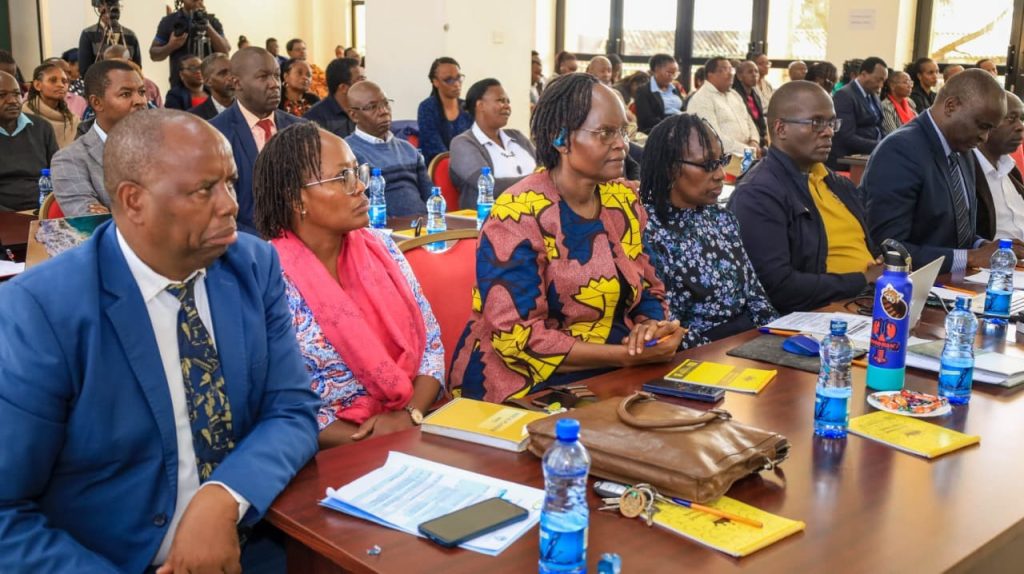
He highlighted that Kenya’s current expenditure on research and development stands at a lower percentage on GDP with recent estimates ranging from KSh 120–122 billion annually based on Kenya’s GDP figures. Prof Shaukat described this as insufficient, noting that it falls below both the African Union’s 1% target and the national 2% requirement. He stresses that the current low funding limits the scaling of innovations, commercialization, and impact, despite strong institutional capacity and talent.
Prof. Shaukat also re-affirmed the government’s progressive commitment to reaching 2% of GDP for RSTI with Kenya’s GDP growth projections in future times.
In his statement during the Biotech Net II Workshop, he explicitly noted the government’s dedication to enhancing funding of up to 2% of GDP progressively. This increase would unlock resources for; capacity building and mentorship for youth and women in STEM, Partnerships from different science-oriented stakeholders like ICGEB, IAEA, China, UK and Italy for joint research and infrastructure, commercialization of innovations to reduce import dependency like food imports.
During the forum, Prof. Shaukat commended young people as the cornerstone of Kenya’s future in science, technology, and socio-economic transformation, often emphasizing mentorship, practical training, partnerships, and alignment with national priorities like the Bottom-Up Economic Transformation Agenda (BETA) and Kenya Vision 2030 and so consistently championed the building of youth capacity and the enhancement of their abilities in research, innovation, and STEM fields.
For the RSTI to swiftly proceed the Prof Shaukat has been a strong advocate for building synergies and forming collaborations in research and innovation. He frequently emphasizes that effective progress in science, technology, and innovation (STI) requires breaking silos, fostering multidisciplinary and multi-institutional approaches, and forging strategic partnerships in both domestic and international to address societal challenges like food security, health, energy, climate resilience, and sustainable development.
He also has repeatedly highlighted the unsustainable burden of high food import costs as a critical challenge that demands urgent action through science, technology, and innovation with Kenya importing food worth approximately KSh 900 billion in annual or cumulative food imports hence consistently addressing the issue of food insecurity, heavy reliance on imports and the need to reverse this trend to achieve food surplus, food security, safety and nutrition.
In an interview with local media outlets, NACOSTI Ag. Director General Dr. David Ngigi reinforced NACOSTI’s vision of science “for prosperity” and positioned the workshop as a milestone in ongoing efforts to build a vibrant, collaborative biotechnology ecosystem. He expressed optimism about the outcomes, including recommendations for policy enhancements, training programs and joint initiatives that would advance the region’s biotechnology agenda.
In attendance at the workshop, Scientific Attache at the Embassy of Italy in Kenya Prof. Fabio Santoni, emphasized on Italy’s commitment to fostering scientific cooperation with Kenya and emphasized in providing support through the Italian Agency for Cooperation and Development (AICS), the Italian Ministry of Foreign Affairs and collaborations with the International Centre for Genetic Engineering and Biotechnology (ICGEB).
ICGEB head of Fundraising, Technology Transfer and Innovation Elena Benedetti and her colleague Claire Poletto who is the project manager at ICGEB highlighted on the support and collaborative commitment to long-term, impactful collaborations, particularly through Italian supported programs that empower local researchers and institutions.
The workshop further addressed policy and ethical considerations, including biosafety, biosecurity, and intellectual property rights and a continuous stakeholder engagement to ensure that biotechnology advancements align with national regulations, ethical standards, and public interest.