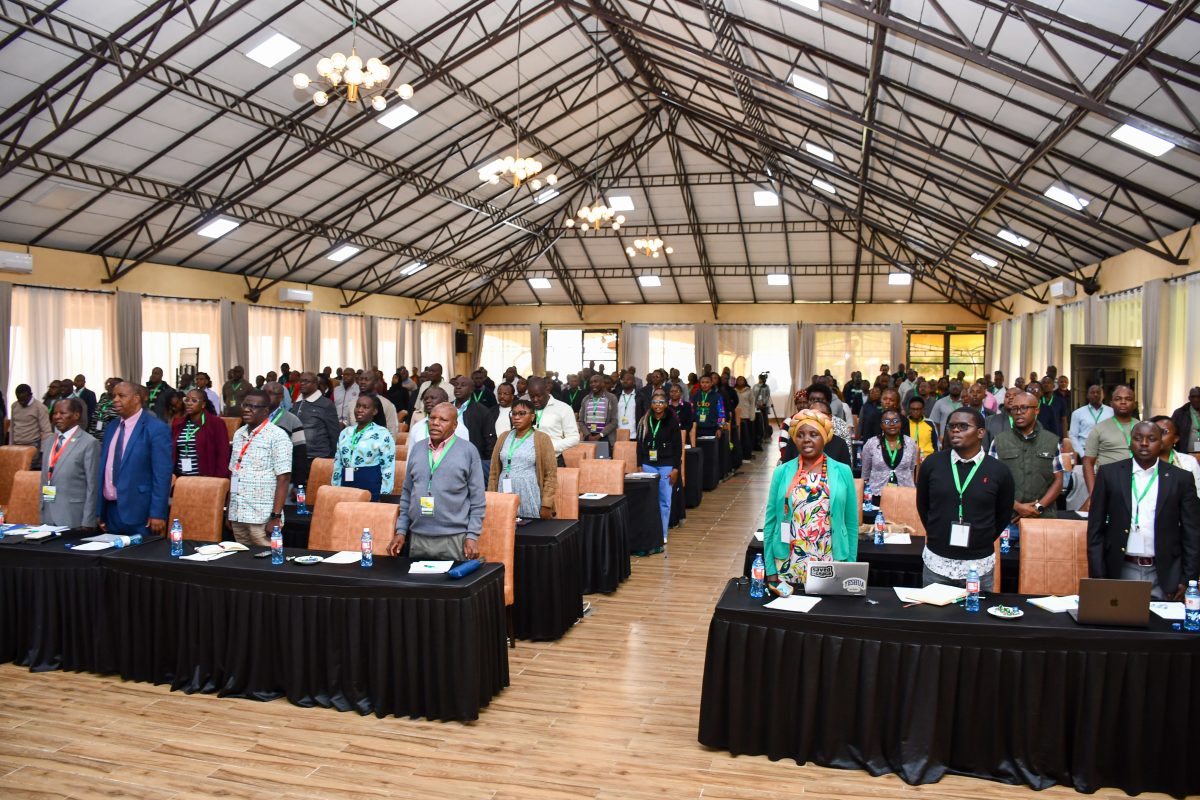
The National Commission for Science, Technology and Innovation (NACOSTI) has convened a five-day Research Ethics and Integrity Capacity Strengthening Programme from 14–18 September 2026, bringing together experts, researchers, ethics review committees, universities, research institutions, State Corporations and Technical and Vocational Education and Training (institutions to strengthen responsible and ethical research practices in Kenya.
The training focuses on strengthening awareness and application of research ethics, integrity and security principles; applying national and international research governance frameworks; strengthening institutional ethical review and oversight; and developing and reviewing Standard Operating Procedures for Scientific and Research Ethics Committees covering national and international research ethics governance, the philosophy and evolution of research ethics, ethical principles, informed consent, vulnerable populations, ethical research design, research integrity and misconduct, research security, animal research, community engagement and experiences from ISERC chairs. It also includes group discussions and presentations, as well as panel discussions on emerging issues such as changing research priorities and funding, ethics dumping, open science, synthetic biology, cloning, big data and artificial intelligence. Through these sessions, the training promotes responsible research practices, stronger ethical oversight, research security, accountability and innovation while safeguarding participants, communities, institutions and the integrity of research.
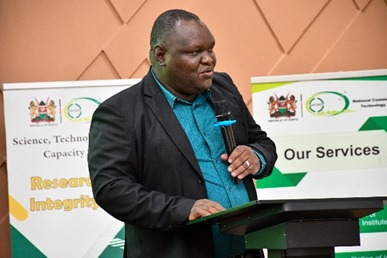
The programme opened with prayer by Mr. Rollex Opondo, followed by introductory and welcoming remarks by Mr. Gideon Kirui – Director, Corporate Services, NACOSTI. The first session, facilitated by G.P. Kalerwa, focused on National and International Research Ethics Governance, setting the foundation for discussions on the regulatory and ethical frameworks that guide research. Other sessions on the first day examined the philosophy and evolution of research ethics, facilitated by Ms. Teresia Nyawira, and research integrity and research misconduct, facilitated by Dr. Maurice Bolo. The sessions highlighted the importance of ethical decision-making, accountability, transparency and integrity throughout the research process.
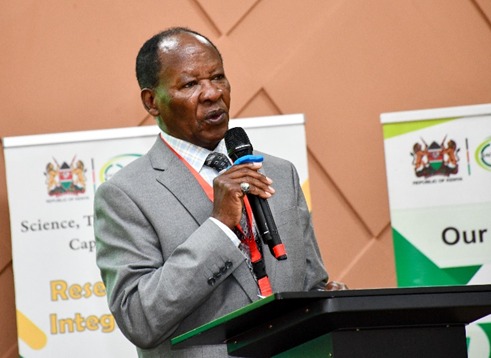
Day Two commenced with a recap of the previous day’s sessions before the official opening ceremony. The ceremony featured the national anthems, prayers and welcoming remarks by Dr. Benson Mburu, followed by official opening remarks by Prof. Vasey Mwaja, Chair, NACOSTI. The day’s technical sessions addressed several fundamental areas of ethical research. Prof. Walter Jaoko facilitated a session on informed consent in research, examining the importance of ensuring that research participants understand the purpose, procedures, potential risks and benefits of research before voluntarily participating. Prof. Elizabeth Bukusi facilitated a session on ethical principles in research, while another session led by Prof. Jaoko focused on research involving vulnerable populations. The discussions emphasized the need for additional safeguards when conducting research involving individuals or groups who may face increased risks or challenges in exercising their autonomy
The third day focused on the practical application of research ethics in the development, review and implementation of research proposals. Ms. Margaret Muthee led discussions on the research proposal and protocol review process, while Dr. Hesborn Wao addressed ethical research design and methodological responsibility. The sessions emphasized the relationship between sound methodology and ethical research, noting that scientifically weak research can raise important ethical concerns The programme also examined community engagement in research, with Ms. Caroline Kithinji highlighting the importance of meaningful engagement between researchers and communities. Effective community participation can help researchers understand local contexts, strengthen trust and ensure that research responds to relevant community needs. The panel discussion later explored shifts in research priorities, funding, ethics dumping and open science. The panel brought together Prof. Vasey Mwaja, Prof. Dickson Andala, Ms. Caroline Kithinji, Dr. Hesborn Wao and Dr. Benson Mburu. Participants subsequently worked in groups on case studies, applying the concepts discussed during the training to practical research situations.
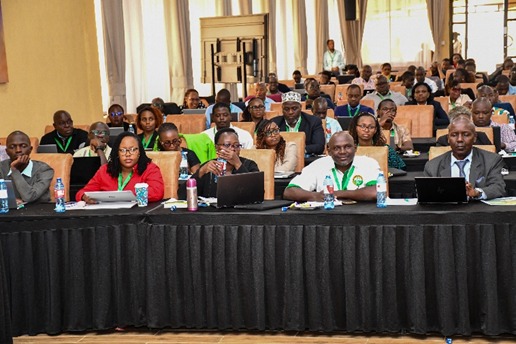
Day Four expanded the discussions to emerging and increasingly important areas of research governance Dr. Elizabeth Cook facilitated a session on research involving animals, focusing on the ethical considerations and responsibilities associated with the use of animals in research. The programme then turned to research security, with Mr. Walter Buyu and Mr. Andrew Bore facilitating discussions on understanding research security. The session highlighted the importance of protecting research, knowledge, data and innovation from risks that could compromise their integrity, safety or responsible use. The afternoon featured a panel discussion on emerging technologies and research ethics, bringing together experts including Dr. Mary Onsarigo, Mr. Andrew Bore, Mr. Walter Buyu, Mr. Nusu Mwamanzi and representatives from TVET institutions. The session provided an opportunity to examine how technological developments are creating new ethical considerations for researchers and institutions.
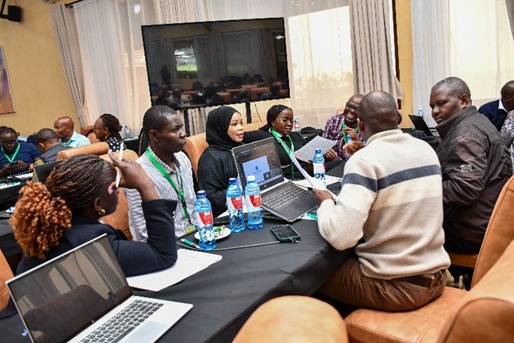
An open forum followed, bringing together representatives from Institutional Scientific and Ethics Review Committees (ISERCs), universities, research institutions, State Corporations and TVET institutions. Participants shared experiences and challenges encountered in promoting ethical and responsible research within their respective institutions. The final day focused on applying the knowledge gained throughout the week. Participants presented group case studies, followed by question-and-answer sessions that encouraged critical reflection and peer learning. The interactive training evaluation provided an opportunity for participants to assess the programme and share feedback on the sessions, facilitation and areas requiring further capacity strengthening.
The five-day programme concluded with an official closing ceremony. Mr. Julius Mwangi presented lessons learnt, followed by official closing remarks from Prof. Vasey Mwaja, Chair, NACOSTI. A participant delivered a vote of thanks, while the programme concluded with a closing prayer by Cyprian Karithi.
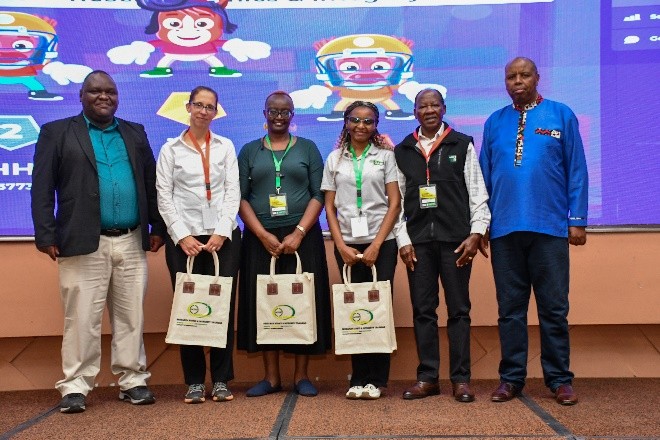
The Research Ethics and Integrity Capacity Strengthening Programme demonstrated the importance of continuous capacity building in maintaining high standards of research conduct. By bringing together researchers, ethics committees, academic institutions, government agencies and other stakeholders, the programme created an avenue for knowledge exchange and collective reflection on the evolving research environment. The discussions underscored that research ethics and integrity extend beyond compliance with regulations. They involve responsible decision-making, respect for research participants and communities, scientific rigor, transparency, accountability, research security and responsible management of emerging technologies.