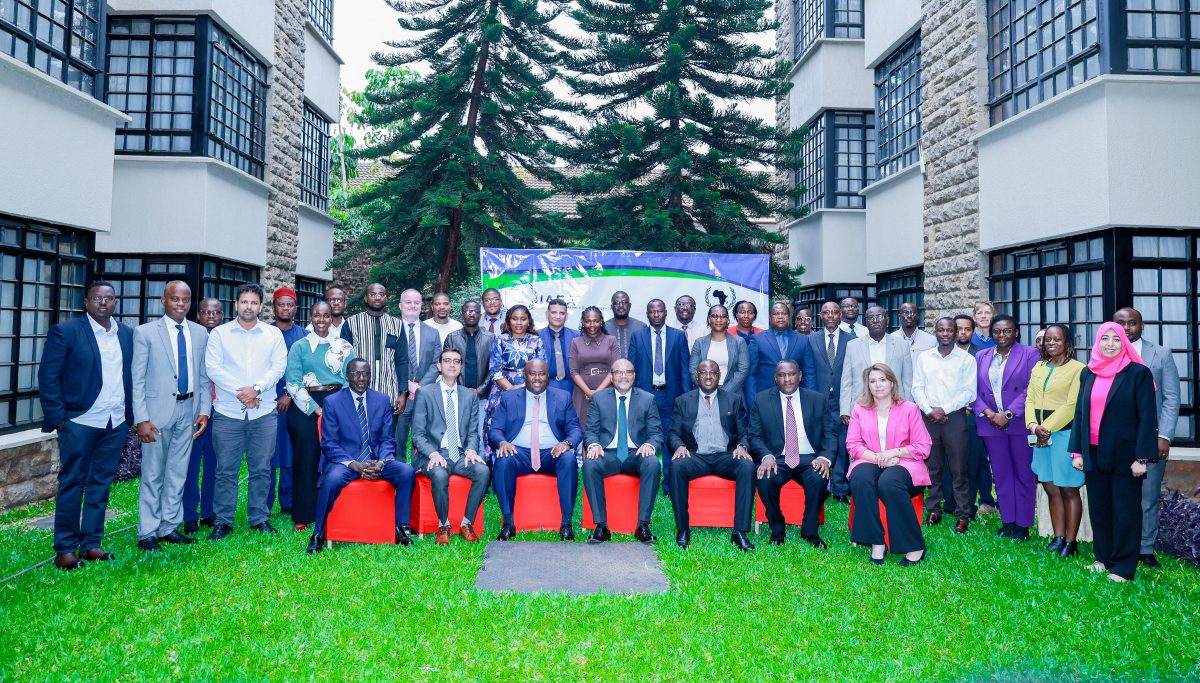
The International Atomic Energy Agency (IAEA) Regional Meeting on the Development of Approaches to Climate, Land-Use, Energy and Water Systems (CLEWS) officially commenced on 3rd August 2026 at the Weston Hotel, Nairobi. The five-day regional meeting is being convened and coordinated by the National Commission for Science, Technology and Innovation (NACOSTI) in its capacity as Kenya’s designated AFRA National Coordinator, in collaboration with the Energy and Petroleum Regulatory Authority (EPRA) and the International Atomic Energy Agency (IAEA) under the framework of the African Regional Cooperative Agreement for Research, Development and Training Related to Nuclear Science and Technology (AFRA).
The meeting brought together delegates from 20 African countries to strengthen regional collaboration on integrated planning for climate, land-use, energy and water systems. Participating countries included Algeria, Botswana, Burkina Faso, Djibouti, Egypt, Eswatini, Ghana, Kenya, Lesotho, Liberia, Mauritania, Niger, Nigeria, Rwanda, Sudan, Tanzania, Togo, Tunisia, Zambia and Zimbabwe. The meeting attracted about 32 participants, 5 of which were from Kenya.
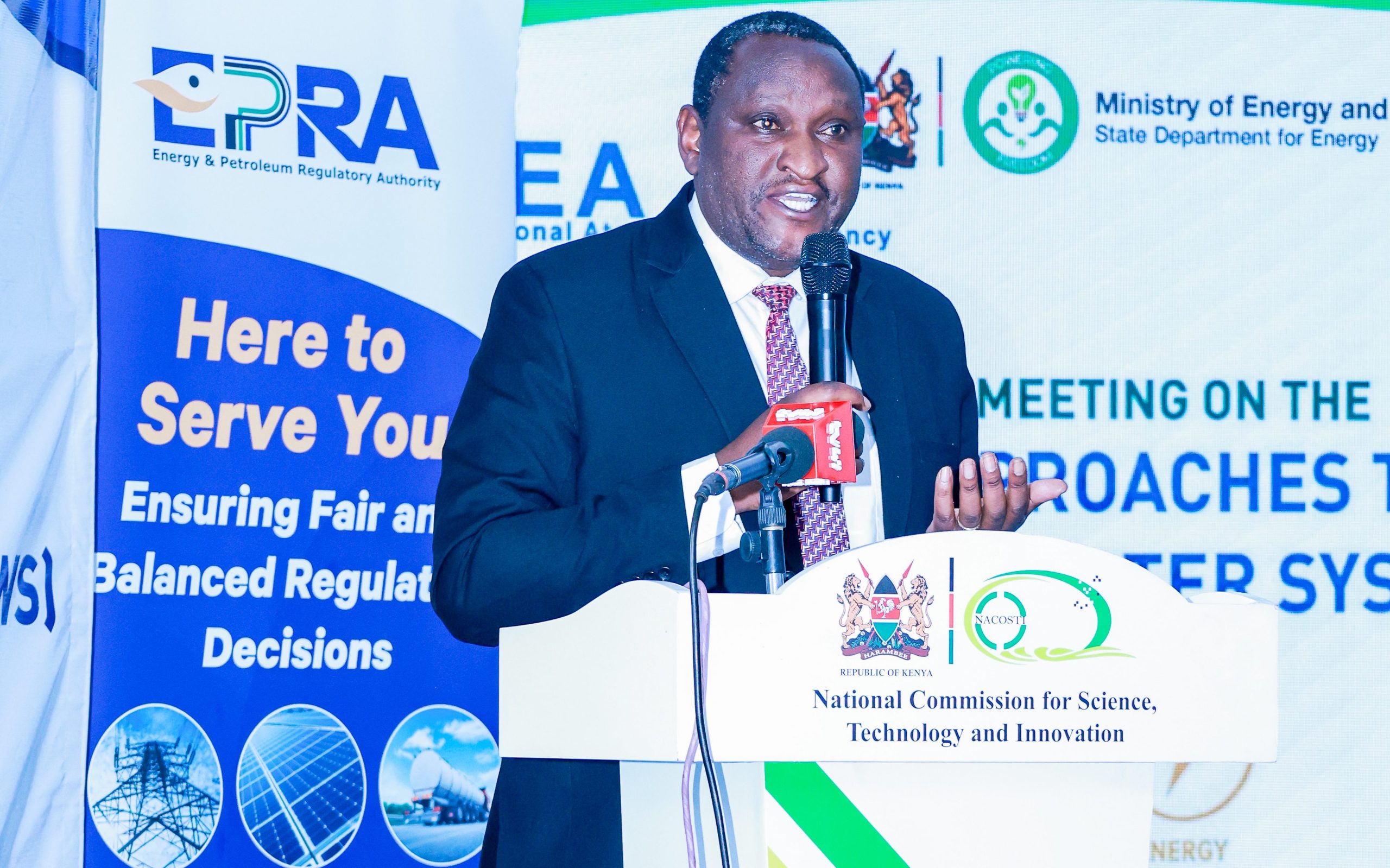
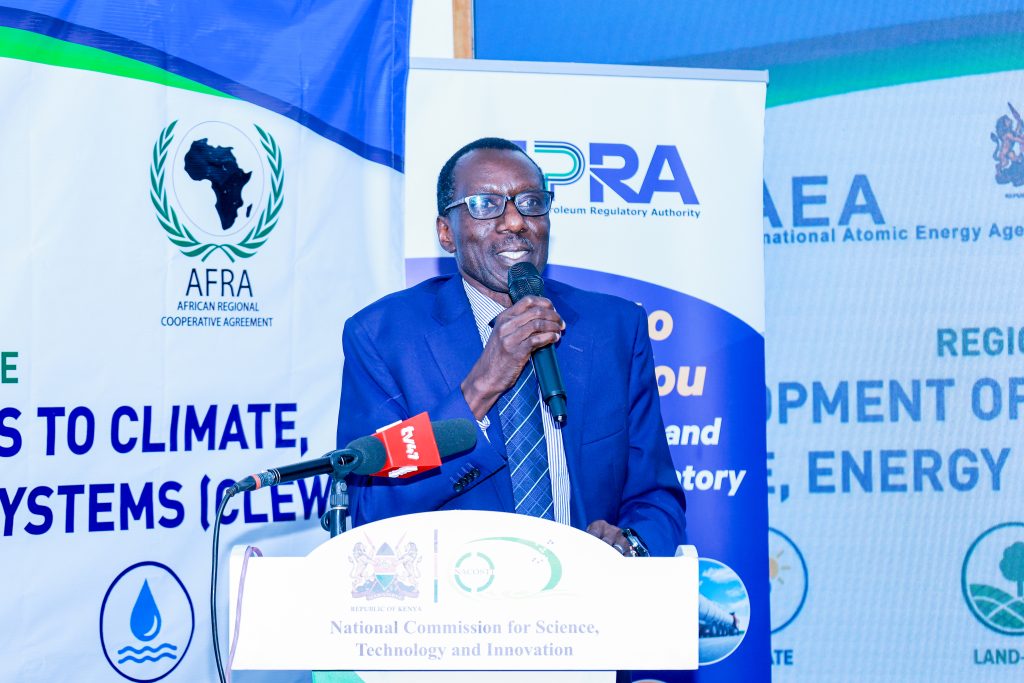
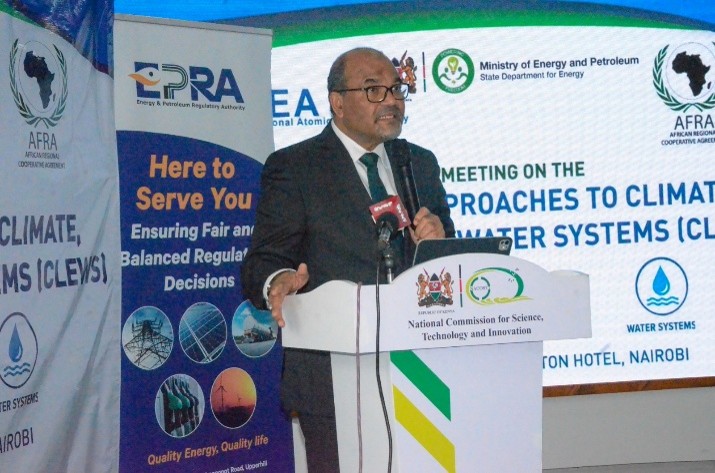
and Dr. (Eng.) Joseph Oketch, DG, EPRA
The opening ceremony featured welcome remarks by Dr. (Eng.) Joseph Oketch, Director General, Energy and Petroleum Regulatory Authority (EPRA), followed by remarks from Dr. David Ngigi, Ag. Director General/CEO, National Commission for Science, Technology and Innovation (NACOSTI), who welcomed delegates and highlighted Kenya’s commitment to regional cooperation in the peaceful application of nuclear science and technology.
Remarks on behalf of the International Atomic Energy Agency (IAEA) were delivered by Mr. Mohamed Bassam Ben Ticha. This was followed by keynote addresses by Mr. Alex Wachira, Principal Secretary, State Department for Energy, and Prof. Shaukat Abdulrazak, Principal Secretary, State Department for Science, Research and Innovation, who officially declared the meeting open.
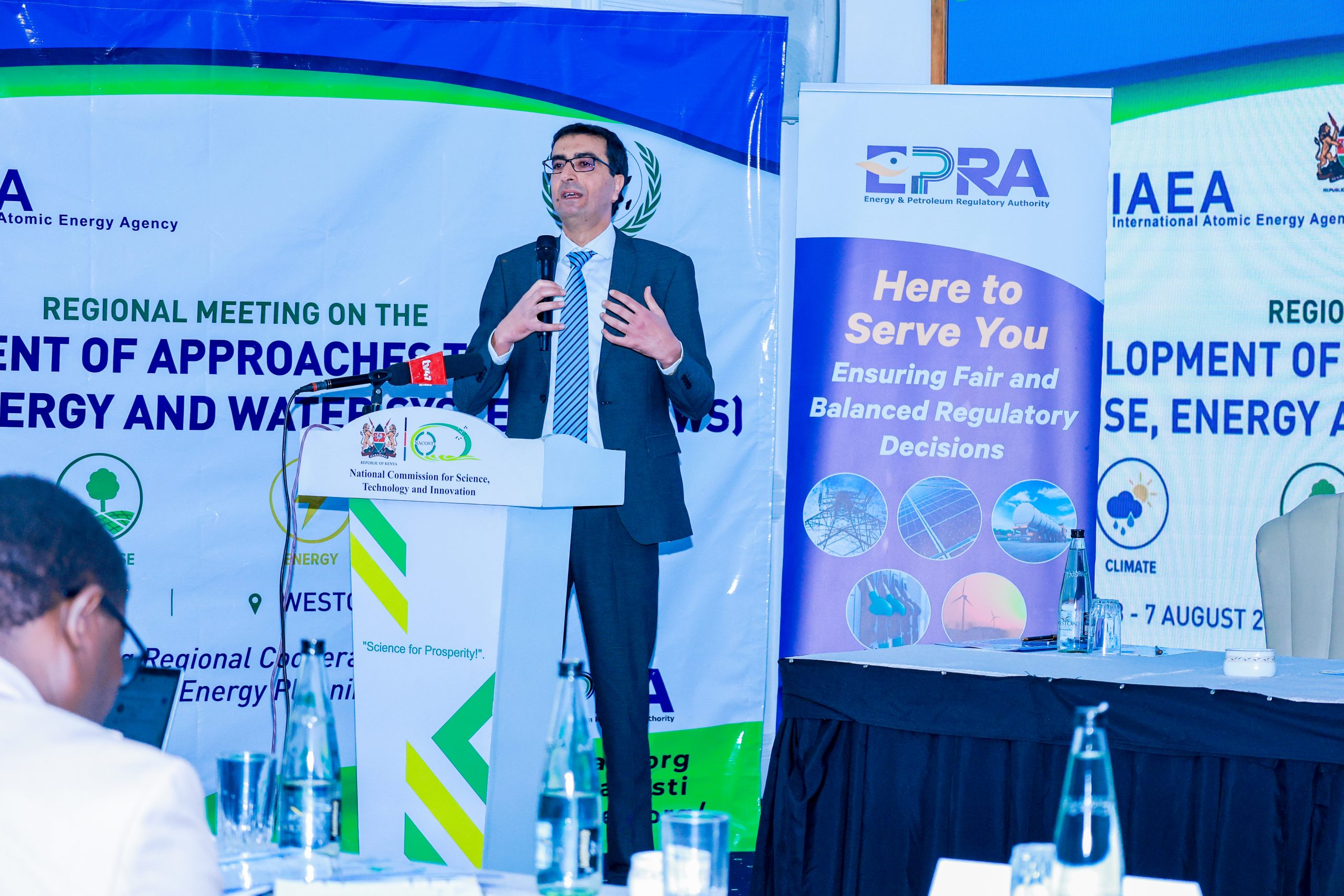
In his address, Mr. Alex Wachira emphasized the close relationship between climate, land-use, energy and water systems, noting that integrated planning is essential for sustainable and evidence-based decision-making. He also affirmed the Government of Kenya’s commitment to the African Union Agenda 2063 and continued collaboration with the IAEA and AFRA Member States.
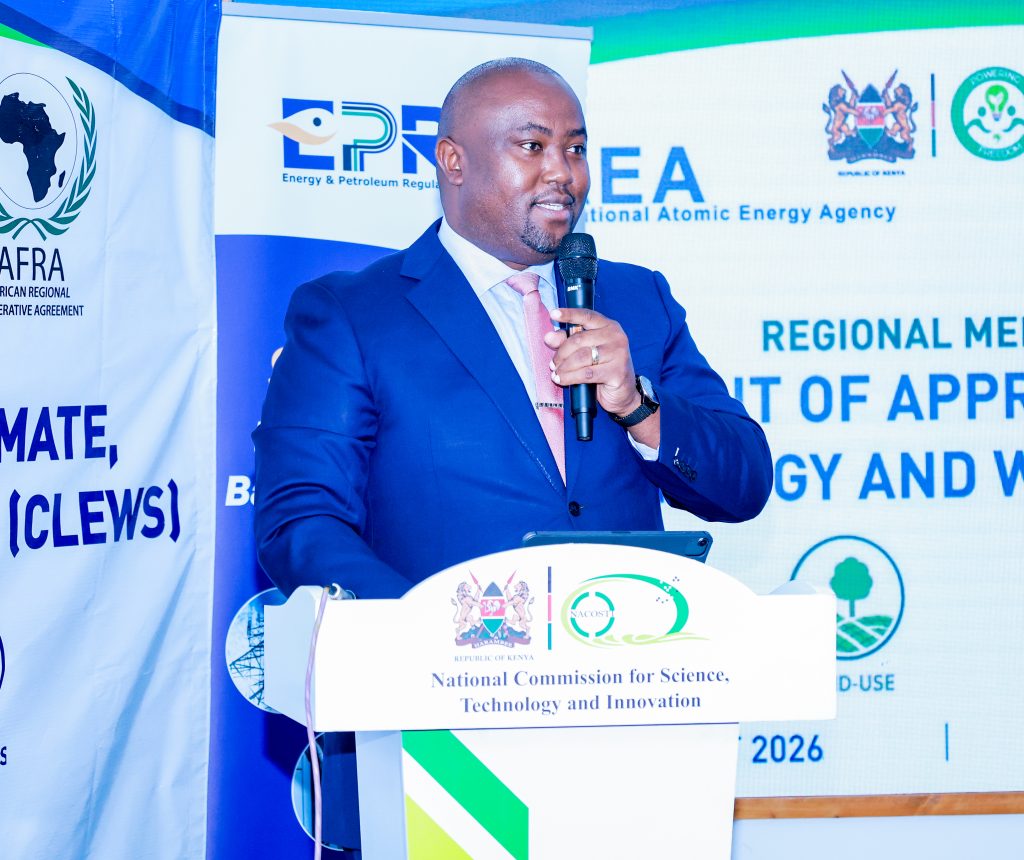
In his address, Mr. Alex Wachira emphasized the close relationship between climate, land-use, energy and water systems, noting that integrated planning is essential for sustainable and evidence-based decision-making. He also affirmed the Government of Kenya’s commitment to the African Union Agenda 2063 and continued collaboration with the IAEA and AFRA Member States.The Chief Guest, Prof. Shaukat Abdulrazak highlighted the importance of investing in science, research and innovation to address Africa’s development challenges. He encouraged African countries to embrace emerging technologies, including artificial intelligence, strengthen regional collaboration and build local capacity to become producers, rather than consumers, of technology.
The meeting will continue until 7th August 2026 and will focus on strengthening participants’ understanding of the CLEWS framework and the application of the MAED and MESSAGE modelling tools. Participants are expected to develop policy questions, scenario frameworks and practical approaches to support integrated planning. The meeting is also expected to produce a Draft Nexus Priority Matrix, scenario specification sheets, governance and data-sharing principles, and a 12-month action plan to guide future collaboration among participating Member States.